Si ha pasado más de 10 minutos comprando extensiones de cabello, seguramente ya ha visto la palabra «virgen» por todas partes. Le seré sincero: la mayor parte de lo que se vende en línea como «cabello virgen» no es, en realidad, cabello virgen. El auténtico es distinto, y esa diferencia se nota desde el primer momento en que empieza a usarlo.
Tan solo el mes pasado, una clienta entró con un juego de «cabello virgen al 100 %» que había comprado por 350 dólares a otro proveedor de cabello. Tras un solo lavado, se eliminó el recubrimiento de silicona y se convirtió en un desastre enredado y encrespado que ni siquiera podía desenredar con el cepillo. Por eso redacté esta guía: para ayudarle a evitar gastar dinero en cabello virgen falso.
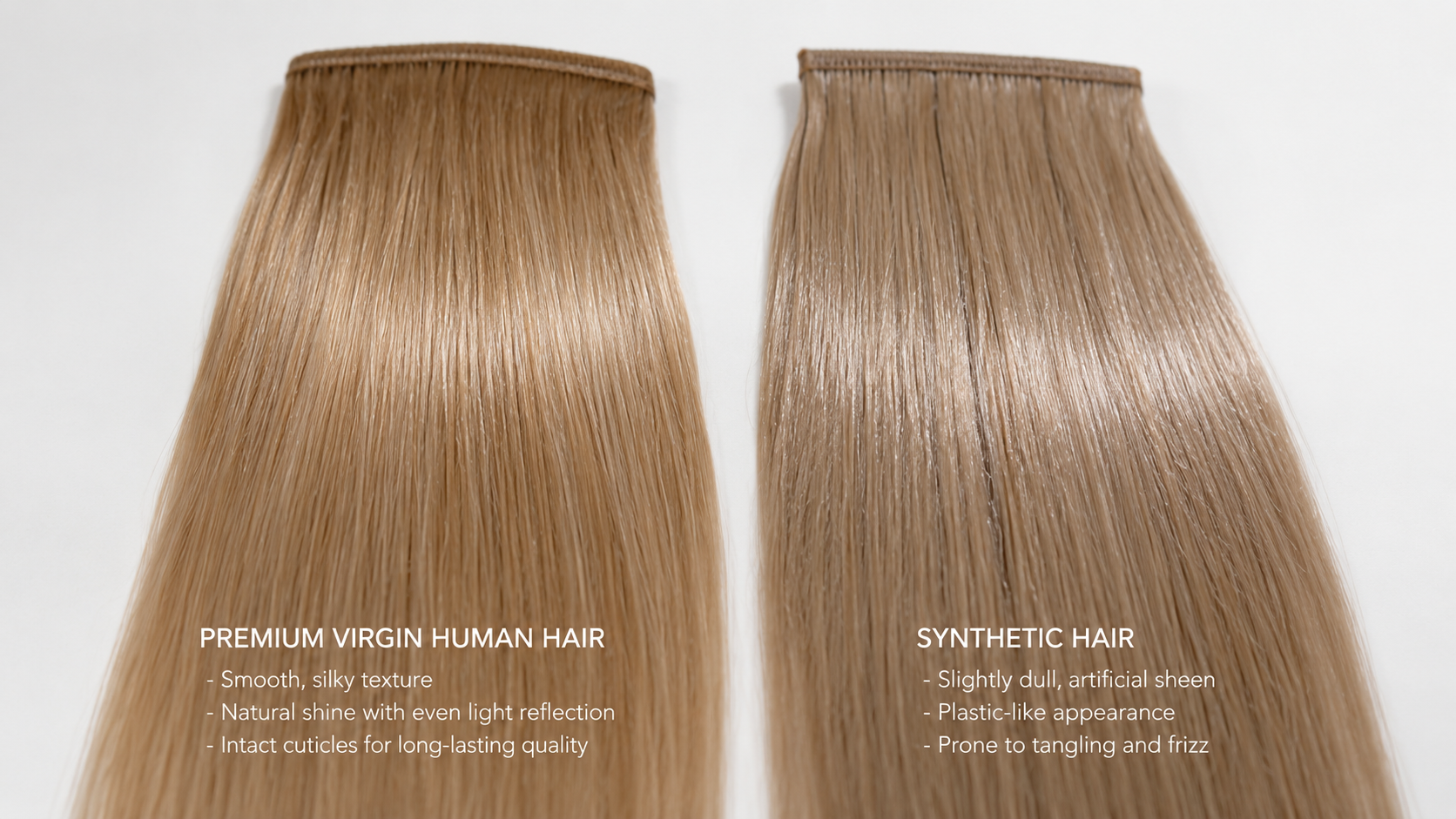
Las extensiones de cabello virgen están hechas de cabello humano al 100 % que nunca ha sido sometido a procesamiento químico. Sin tintura, sin decoloración y sin tratamientos con silicona. Las cutículas están intactas y todas están alineadas en la misma dirección, procedentes de un solo donante. ¿Qué significa esto en la práctica? Pelo que no se enreda con el uso normal, retiene la humedad como lo hace su propio cabello y —aquí va algo que la mayoría de las personas no saben— puede teñirse a medida por un profesional sin deshacerse a mitad de la sesión.
Las etiquetas virgen, Remy y sintético describen tres productos genuinamente distintos, y confundirlos supone un coste económico. Aquí tiene un secreto que la mayoría de las marcas no le revelarán: gran parte del cabello Remy disponible en el mercado no es más que cabello procesado recubierto con silicona para simular esa sensación de suavidad. Tras 3 a 5 lavados, el recubrimiento se desgasta y lo que queda se reseca y se enreda. El cabello sintético es aún más económico, pero no se puede estilizar con calor, no se puede teñir y comienza a lucir plástico tras unos pocos usos.
El cabello virgen dura mucho más que los demás. He visto clientes gastar 800 USD en un juego de cabello Remy que duró tres meses, y otros gastar 400 USD en cabello virgen que duró más de un año. Piense en 12 o más meses de uso regular frente a 3–6 meses para el cabello Remy. El precio inicial es más alto; sin embargo, haga la cuenta de reemplazar el cabello Remy dos o tres veces al año y verá que la diferencia se reduce rápidamente.
Hay seis tipos principales de extensiones de cabello virgen , y elegir el incorrecto es donde la mayoría de los compradores primerizos cometen errores.
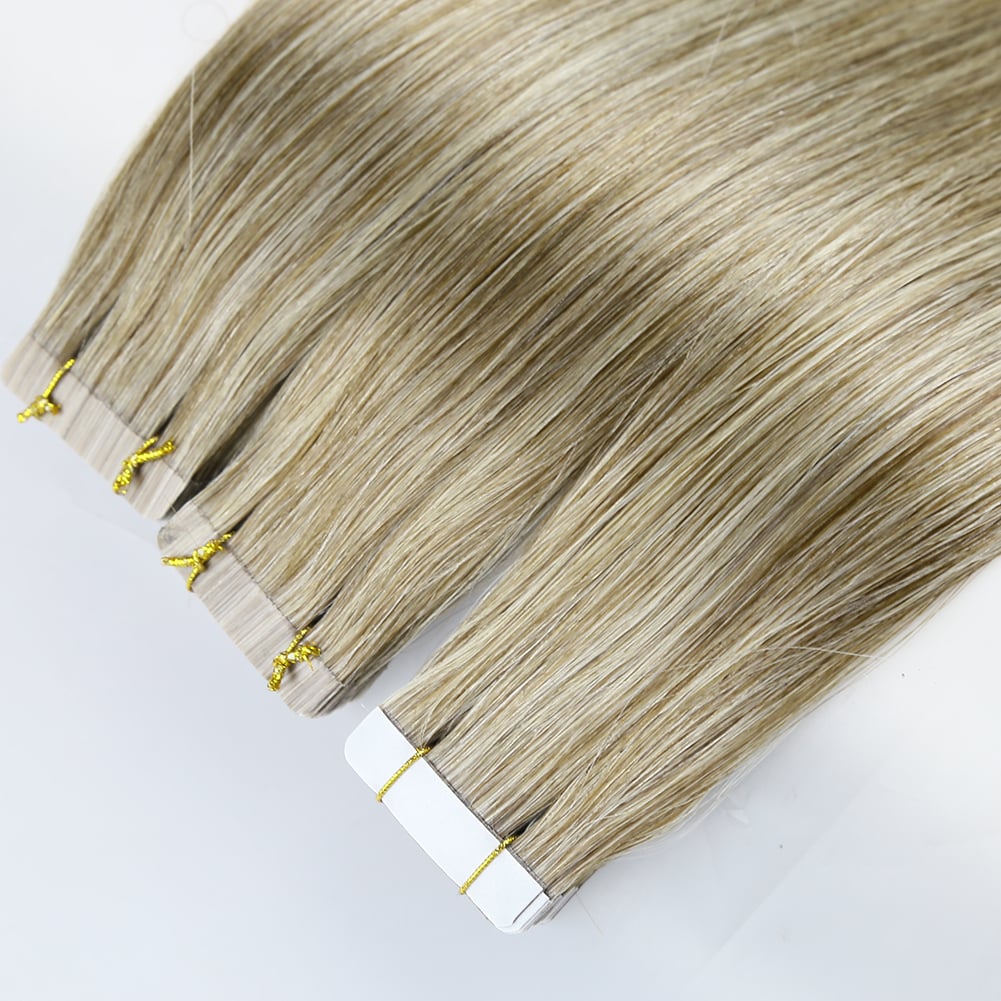
1. Con cinta adhesiva — mechas delgadas con adhesivo colocadas entre secciones de su cabello natural. Instalación rápida (45–60 minutos), ideal para aumentar el volumen y con una fijación sólida para texturas finas a medianas.
Mi consejo: Evítelo si tiene el cuero cabelludo graso, ya que el adhesivo se degradará más rápido y necesitará ser reemplazado con mayor frecuencia.
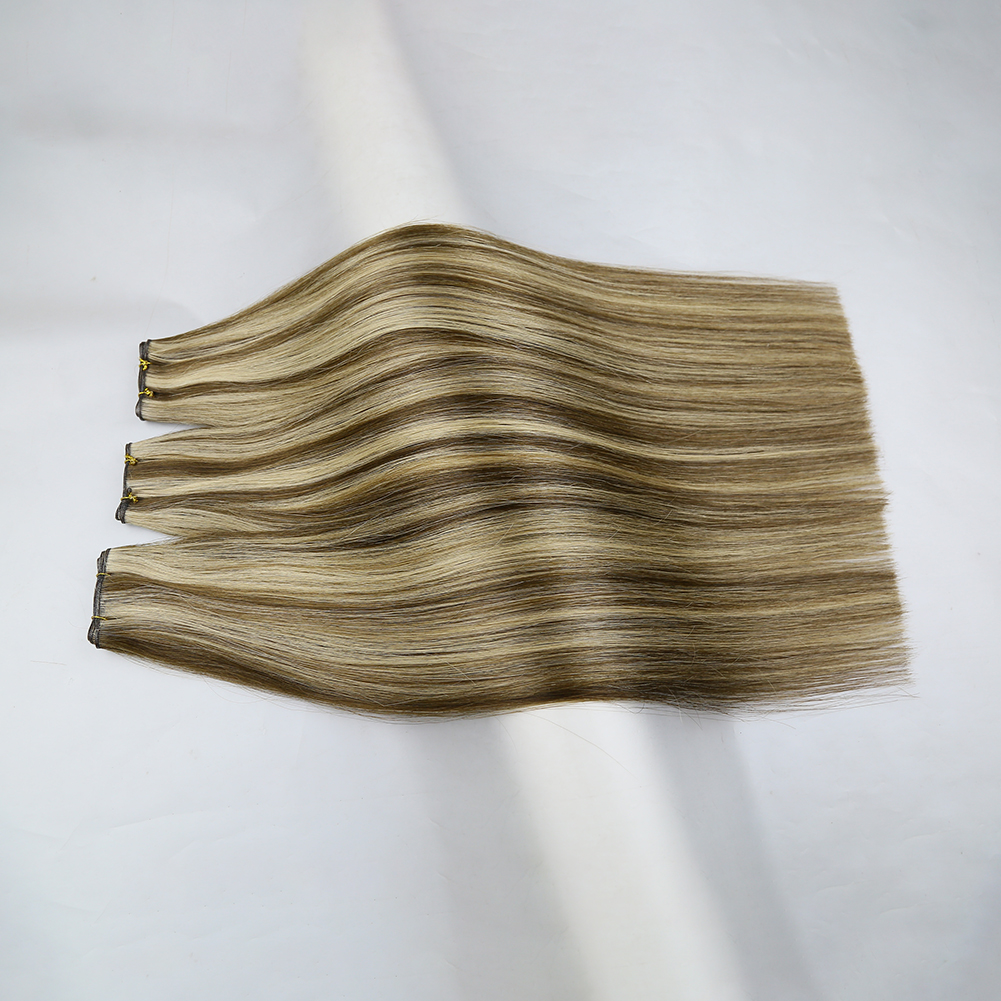
2. Mecha cosida a mano
Si su cabello es fino y ha tenido problemas con extensiones que se ven a través de la zona de la coronilla, probablemente lo que necesita sea la mecha cosida a mano. Cada mecha está cosida a mano sobre un hilo ultrafino, de modo que queda completamente plana en la raíz.
Advertencia crítica: Nunca corte las mechas cosidas a mano, ya que esto romperá la costura y provocará una caída masiva del cabello. Siempre utilizamos técnicas de doblado para ajustar la longitud.
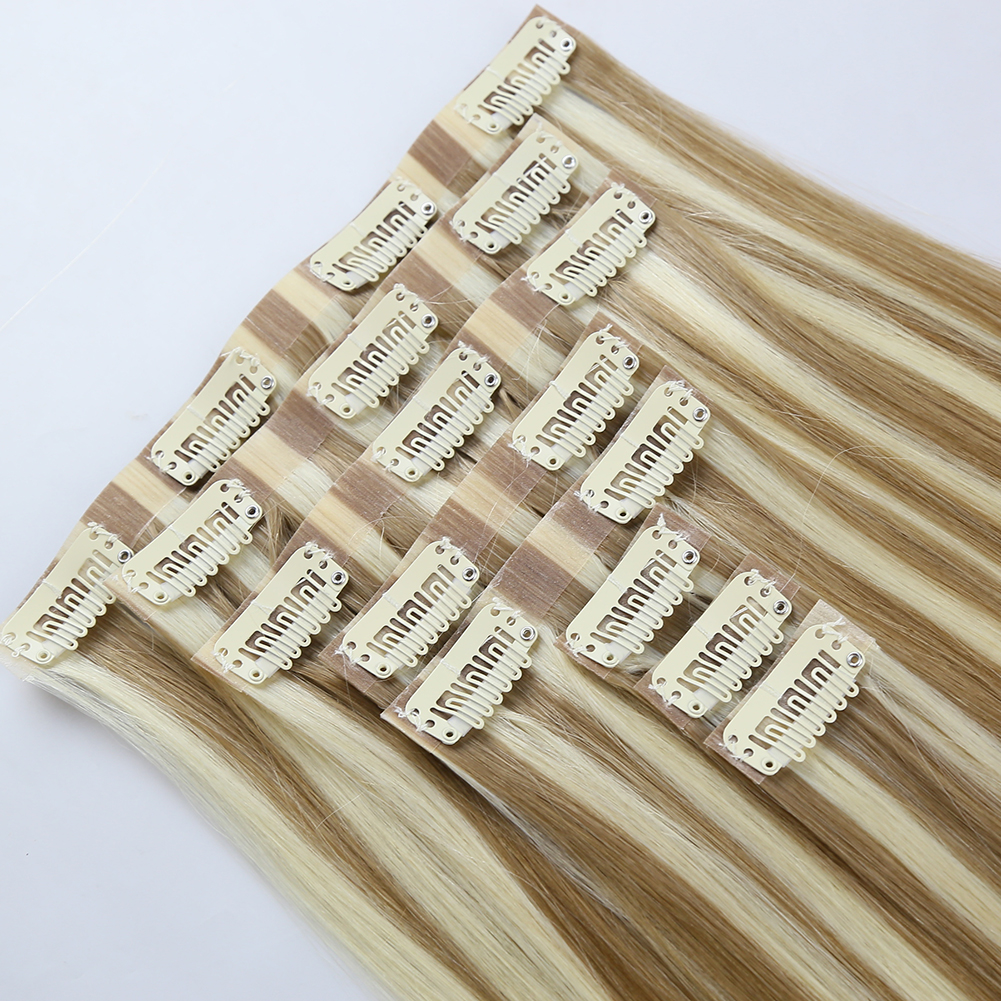
3. Clip-in
La opción sin compromiso. Colóquelas para salir de noche y quíteselas antes de acostarse. No se necesita cita en la peluquería. No están diseñadas para uso diario, pero son insuperables para un uso ocasional.
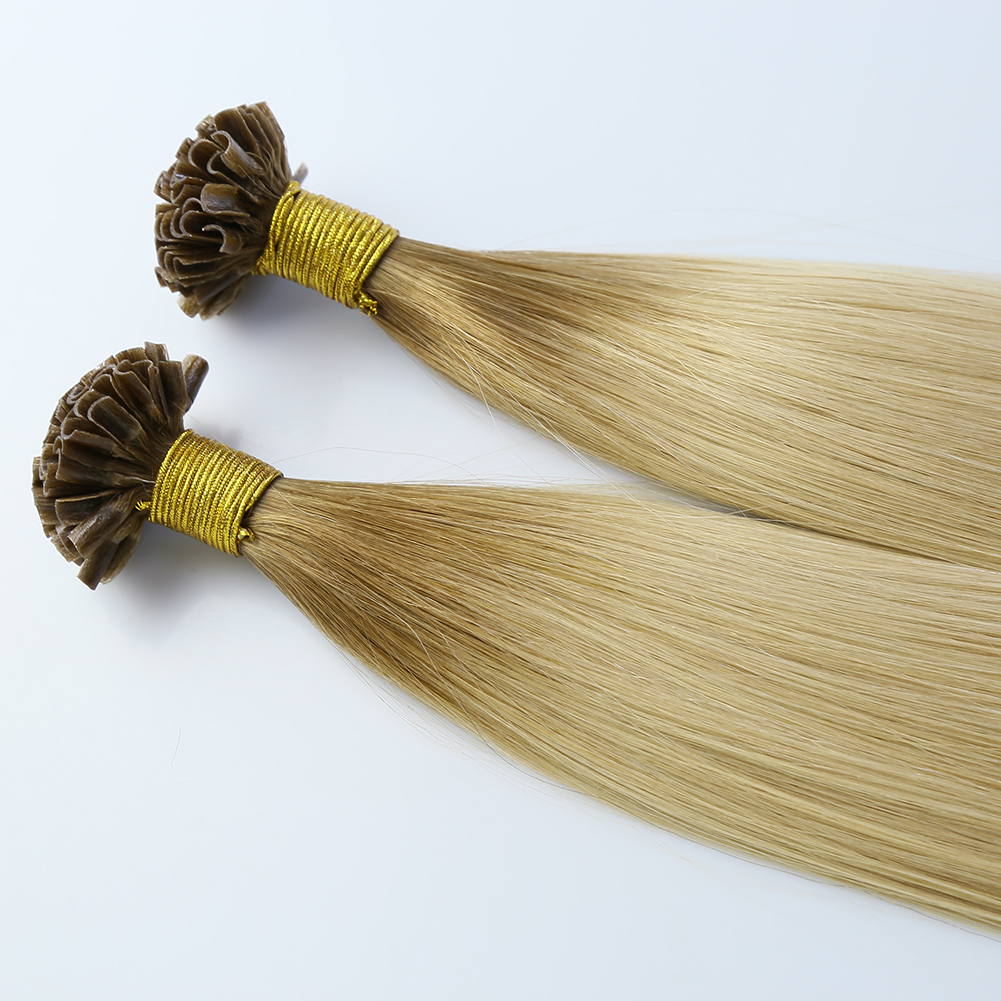
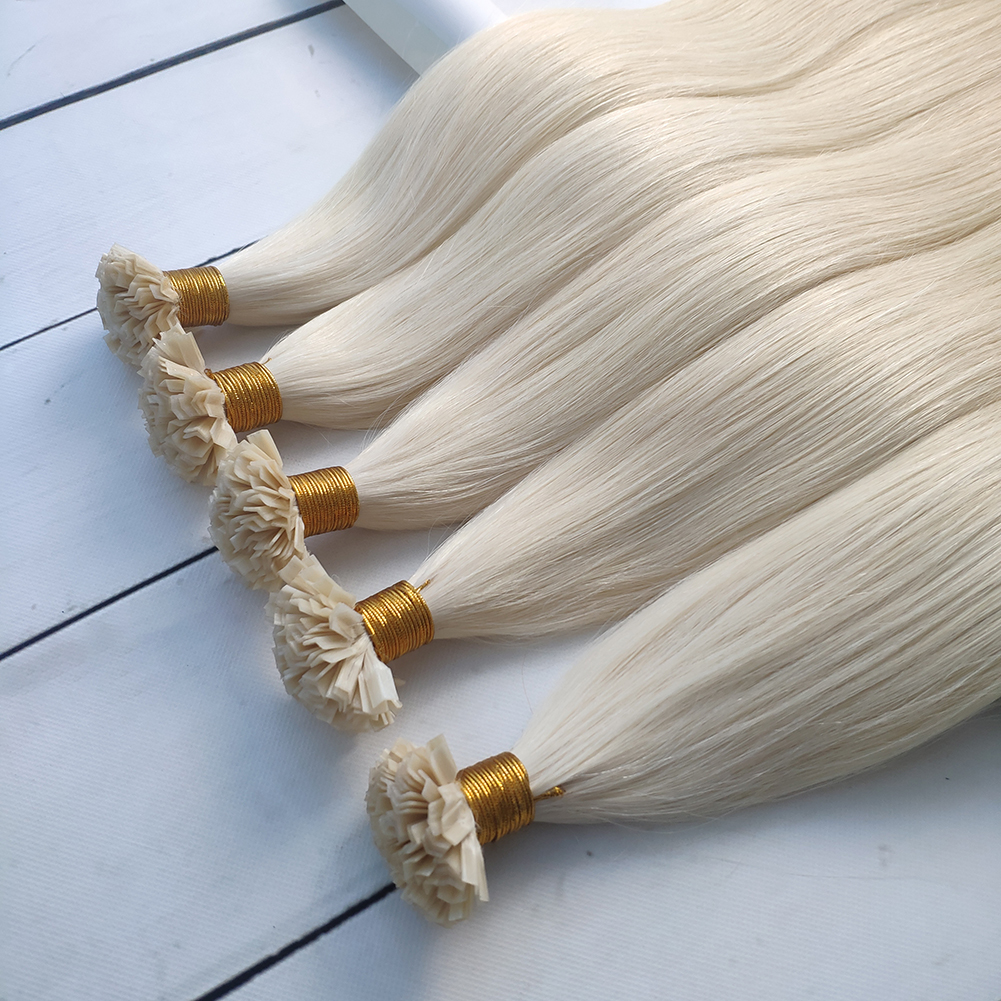
4. Queratina/Fusión
Hebras individuales fijadas en la raíz mediante puntas de queratina. Ofrecen el movimiento más natural de todos los métodos. Ahora bien, aquí es donde surge la dificultad: una instalación completa lleva más de dos horas y requiere un estilista con verdadera experiencia. Una mala instalación dejará protuberancias y roturas del cabello.
5. I-tip/Anillo micro
Pequeños anillos de cobre sujetan cada hebra en su lugar. Sin calor ni pegamento. Funciona mejor en cabello de mediano a grueso, y es la opción preferida si usted es alérgico a los adhesivos.
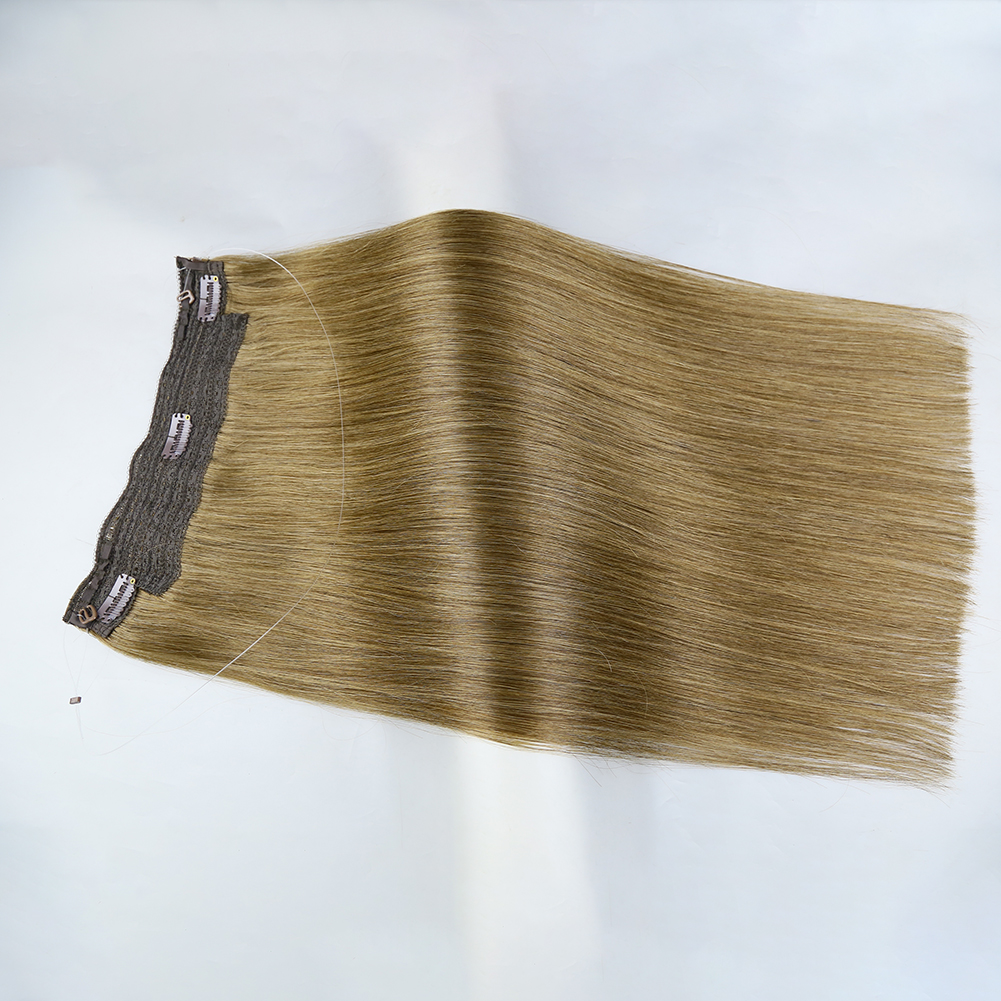
6. Halo
Una mecha continua colocada sobre un alambre transparente que atraviesa la coronilla. Extremadamente sencilla de colocar y retirar. Está diseñada para volumen temporal, no para dormir con ella.
La conclusión es la siguiente: la elección adecuada depende de su tipo de cabello y de con qué frecuencia piensa usarlas. Si tiene dudas, consulte a un estilista que haya visto su cabello en persona; aplicar el método equivocado en el tipo de cabello incorrecto es una vía rápida hacia la decepción.
En cuanto al mantenimiento: use un champú sin sulfatos, cepíllese desde las puntas hacia arriba, no duerma con las extensiones mojadas (lo repito: no duerma con las extensiones mojadas) y programe un ajuste cada 6–8 semanas. Además de eso, trátelas como si fueran su propio cabello. Porque, para todos los efectos prácticos, lo son.

¿Puedo teñir extensiones de cabello virgen?
Dado que el cabello no ha sido previamente procesado, un colorista profesional puede decolorar, matizar o depositar color de forma segura, algo que resulta arriesgado o imposible con cabello Remy o sintético. Recomiendo teñirlas antes de la instalación para obtener resultados más uniformes.
¿Cuánto tiempo duran realmente?
doce meses constituyen una base razonable. Con un buen cuidado, la mayoría de mis clientes obtienen entre 18 y 24 meses de uso de un solo juego. Mi cliente con mayor antigüedad ha mantenido el mismo juego durante 26 meses.
¿Compensa el precio más alto?
Honestamente, depende de con qué frecuencia las use. Si las extensiones forman parte de su rutina diaria, un juego de cabello virgen dura más que tres o cuatro juegos de cabello Remy: al final, el costo mensual resulta menor. ¿Las usa solo ocasionalmente? Entonces, el cabello Remy podría ser suficiente.
¿Harán que se me caiga el cabello natural?
No: las malas extensiones hacen que se le caiga el cabello. Cuando se instalan correctamente y se mantienen adecuadamente, las extensiones no dañarán su cabello natural. De hecho, muchos de mis clientes notan que su cabello crece mejor porque dejan de someterlo diariamente al calor del secador o la plancha.
¿Puedo nadar con extensiones de cabello virgen?
Sí, pero siempre debe usar una gorra de natación ajustada. Enjuague inmediatamente su cabello tras salir de la piscina o del mar y aplique una acondicionador profundo. Evite la exposición prolongada al agua salada o al cloro.
¿Todavía no está seguro de qué tipo de extensiones es el adecuado para usted? Haga clic aquí para una evaluación capilar gratuita 1:1 —nuestros estilistas analizarán las fotos de su cabello y le darán una recomendación personalizada.
 Noticias destacadas
2026-07-03
2026-06-09
2026-05-28
 EN
EN